
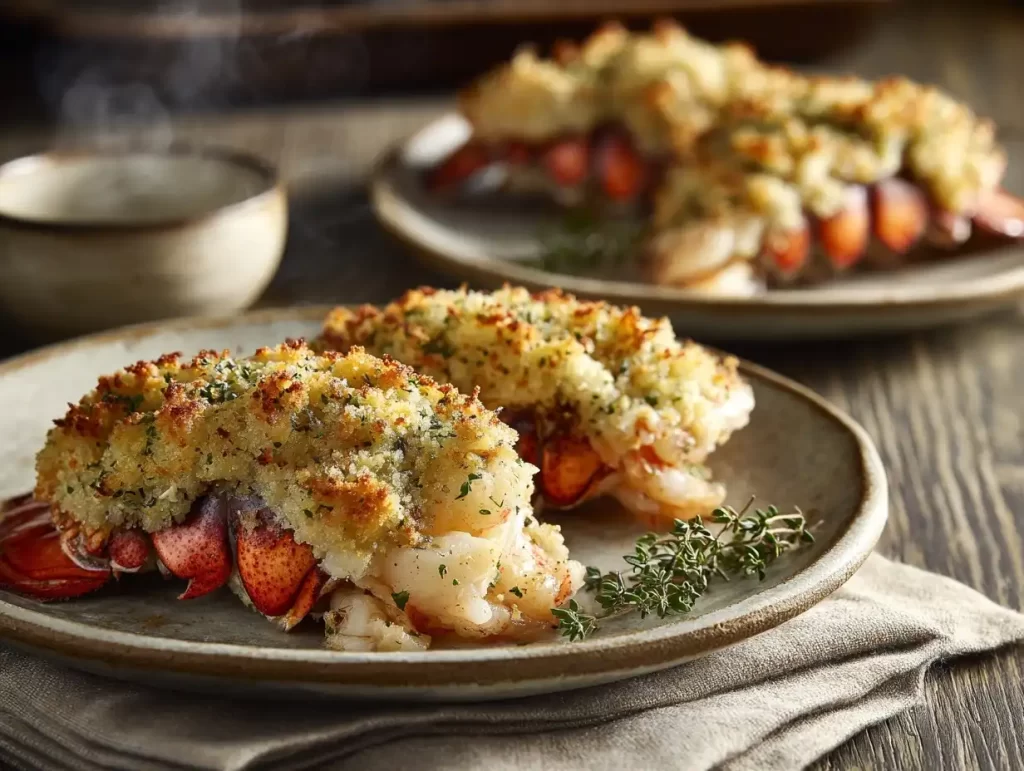
Whether you’re planning a special occasion, a fancy meal at home, or simply want to find new seafood recipes to enjoy, our lobster tail guide breaks down the most effective cooking methods, seasoning options, and preparation tips—all designed to help you get the most from one of the most celebrated crustaceans in seafood cuisine.
At NC Seafood, a Raleigh favorite known for fresh, coastal-inspired Calabash seafood, we understand how small preparation choices impact the final result when it comes to shellfish. Join us as we explore the best way to cook lobster tails perfectly.
Table of Contents
How Do You Prepare Lobster Tails Before Cooking?
Before choosing a cooking method, proper preparation is essential for texture, flavor, and even cooking of lobster tails.
Choosing Fresh vs Frozen Lobster Tails
Both fresh and frozen seafood, including lobster tails, can produce excellent results. Many grocery stores sell frozen lobster tails that were flash-frozen at peak freshness, making them a practical option year-round. If you buy frozen lobster tails, proper thawing is key.
How to Thaw Frozen Lobster Tails
To preserve lobster meat texture and avoid waterlogging:
- Refrigerator method: Thaw overnight for best results.
- Cold water method: Place sealed tails in cold water, changing the water every 30 minutes.
Avoid warm water, which can affect the texture and flavor of the lobster’s tender meat.
Butterflying Lobster Tails for Even Cooking
Butterfly lobster tails by cutting through the top lobster shell using sharp kitchen shears. Gently lift the lobster meat upward so it rests on top of the shell while remaining attached at the bottom shell. This presentation promotes even cooking and helps the meat cook perfectly.
The Best Way to Cook Lobster Tails at Home
There isn’t just one way to cook lobster tails—but certain methods consistently deliver tender meat and strong flavor.
Broiling Lobster Tails
+
Broiled lobster tails are one of the most popular choices for home cooks because they’re quick and flavorful:
- Preheat oven to broil and position the oven rack near the top
- Place butterflied lobster tails on a lined baking sheet or baking dish
- Brush with melted butter or a butter sauce made with garlic cloves
- Broil until the meat is opaque and lightly golden
Baking Lobster Tails
+
Baking is ideal for large lobster tails or when cooking multiple portions:
- Arrange tails meat-side up on a baking sheet
- Cover loosely with aluminum foil to prevent drying
- Bake until the meat is tender and opaque
Grilling Lobster Tails
+
To grill lobster tails successfully:
- Butterfly the tails and brush with butter or oil
- Place shell-side down on a preheated grill
- Grill until the meat is opaque and lightly charred
The Best Lobster Tail Recipe by Season
Seasonality plays a major role in choosing the best way to cook lobster tails. Different times of year call for different flavors, cooking methods, and presentations—whether you’re preparing a light spring seafood dish or planning a rich winter lobster dinner for a special occasion.
Spring: Lemon Herb Broiled Lobster Tails
Spring is ideal for bright, clean flavors that allow the natural sweetness of cold water lobster to shine.
Start by butterflying lobster tails using sharp kitchen shears, cutting through the top of the shell while keeping the bottom shell intact. Gently lift the lobster meat upward so it rests on the shell, flesh side facing up. Place the lobster on a lined baking sheet and season lightly with salt and pepper, garlic powder, and fresh lemon juice.
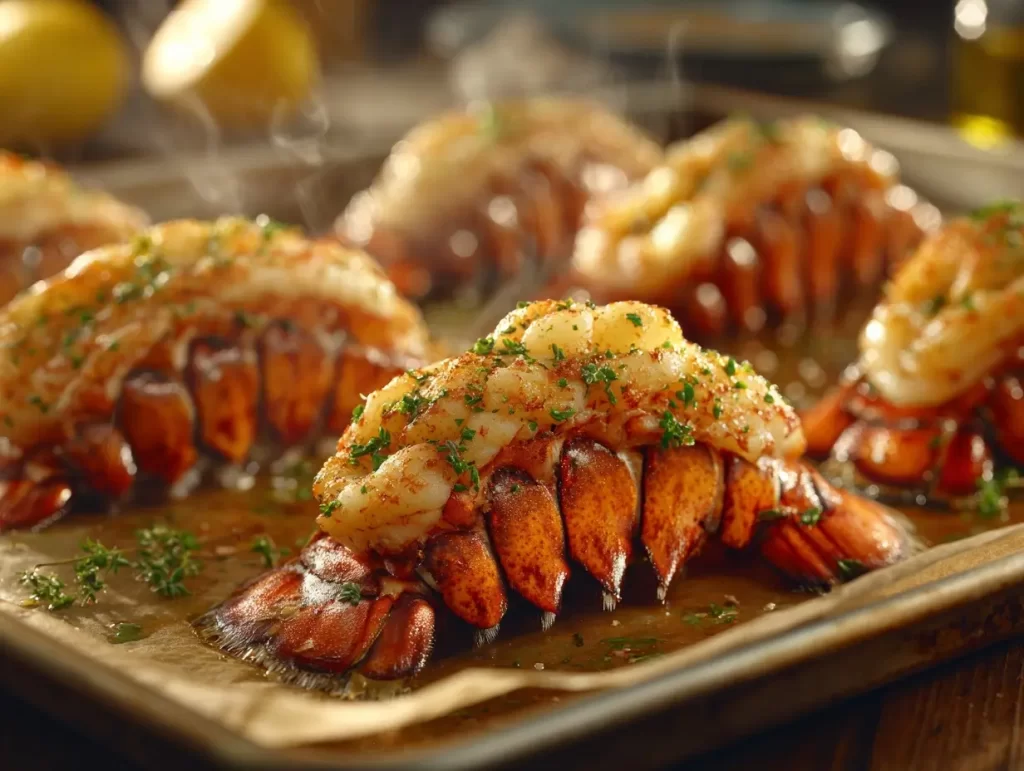
Set the oven to broil and position the oven rack near the top. Broiled lobster cooks quickly, so monitor closely until the meat is opaque and reaches the proper internal temperature using a meat thermometer. Finish with fresh parsley and lemon wedges for a light, seasonal way to cook lobster tails that feels fresh and refined.
Summer: Grilled Lobster Tails with Citrus Garlic Oil
Summer grilling calls for bold flavor without heavy sauces.

Prepare lobster tails by butterflying them and brushing the meat with a citrus garlic oil made from olive oil, minced garlic, fresh lemon juice, and black pepper. Placing the lobster meat upward helps prevent meat sticking while grilling. Grill shell-side down first to protect the meat during the cooking process.
Once the lobster meat is opaque and lightly charred, remove from the grill and finish with chopped fresh parsley. This cooking method creates tender meat with a subtle smoky flavor and is an excellent way to cook lobster tails outdoors without relying on a butter-based sauce.
Fall: Baked Lobster Tails with Herb Breadcrumb Crust
Fall cooking leans into warmth and texture, making this recipe ideal for a cozy lobster dinner.
Arrange butterflied lobster tails in a baking dish with the shell intact supporting the meat. In a small bowl, combine seasoned breadcrumbs, minced garlic, fresh parsley, olive oil, and black pepper. Spoon the mixture over the lobster meat, pressing gently so it adheres without covering the meat completely.
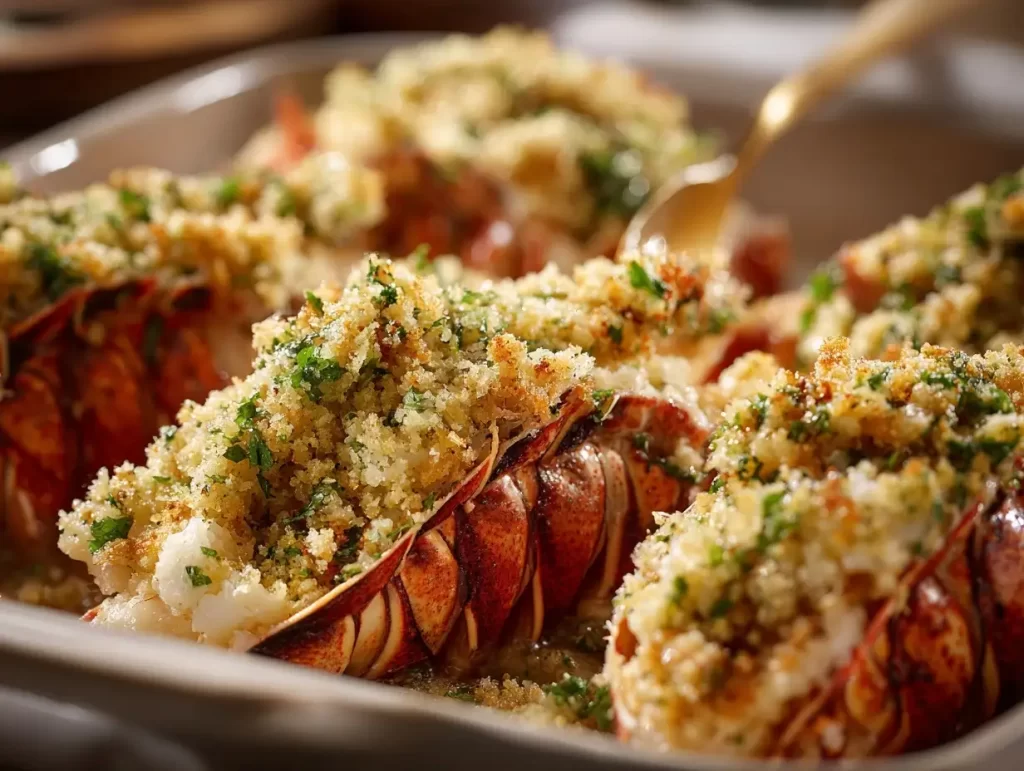
Bake until the meat is opaque and reaches the proper internal temperature. This approach delivers tender perfection with added texture, offering a satisfying alternative to traditional butter-heavy lobster recipes.
Winter: Broiled Lobster Tails with Smoked Paprika Citrus Glaze
Winter lobster dishes benefit from deeper, warming flavors that still respect the natural sweetness of the best lobster tails.
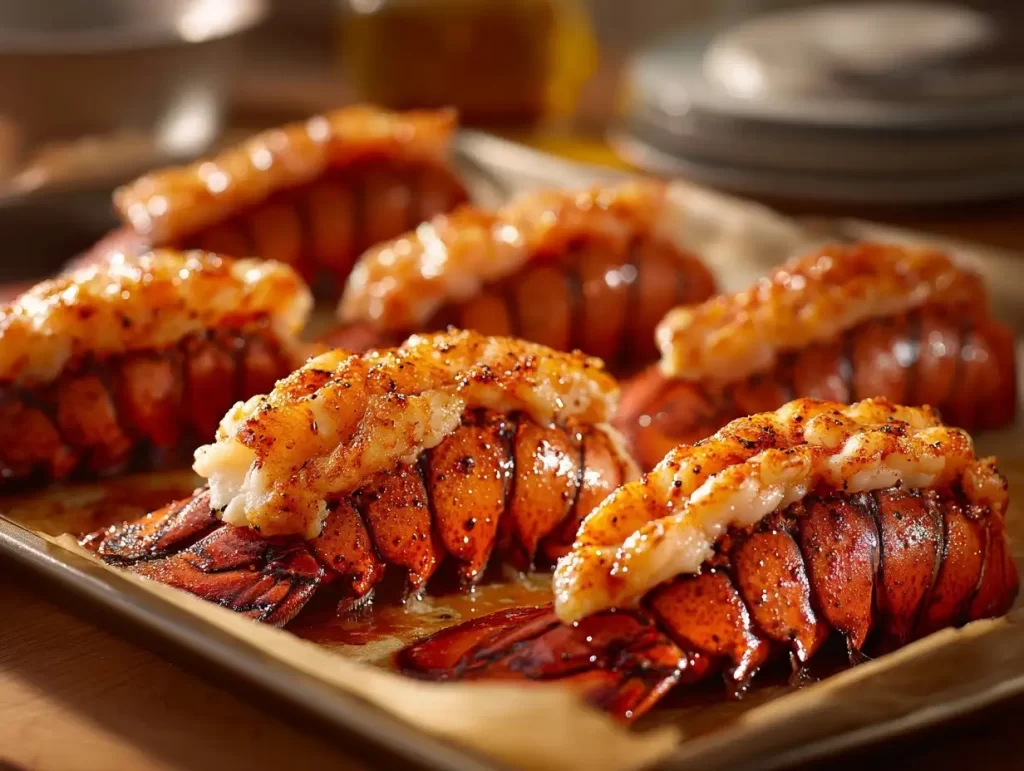
If fresh lobster isn’t available, many grocery stores offer excellent options to buy frozen lobster tails sourced from cold water regions. After thawing, prepare lobster tails by using sharp shears to cut through the top shell, stopping just before the tail fin while keeping the bottom shell intact. Gently lift the lobster meat upward so it rests on the shell, flesh side facing up.
Place the lobster on a lined baking sheet and brush with a citrus glaze made from olive oil, fresh lemon juice, smoked paprika, black pepper, and a touch of salt. Set the oven to broil and position the oven rack near the top. Broil until the meat is opaque and the internal temperature reaches the proper range, checking with a meat thermometer to avoid overcooking.
Finish with fresh parsley and serve immediately with lemon wedges. The result is tender meat with smoky, citrus-forward flavor—an excellent way to cook lobster tails during colder months.
How Do You Season Lobster Tails?
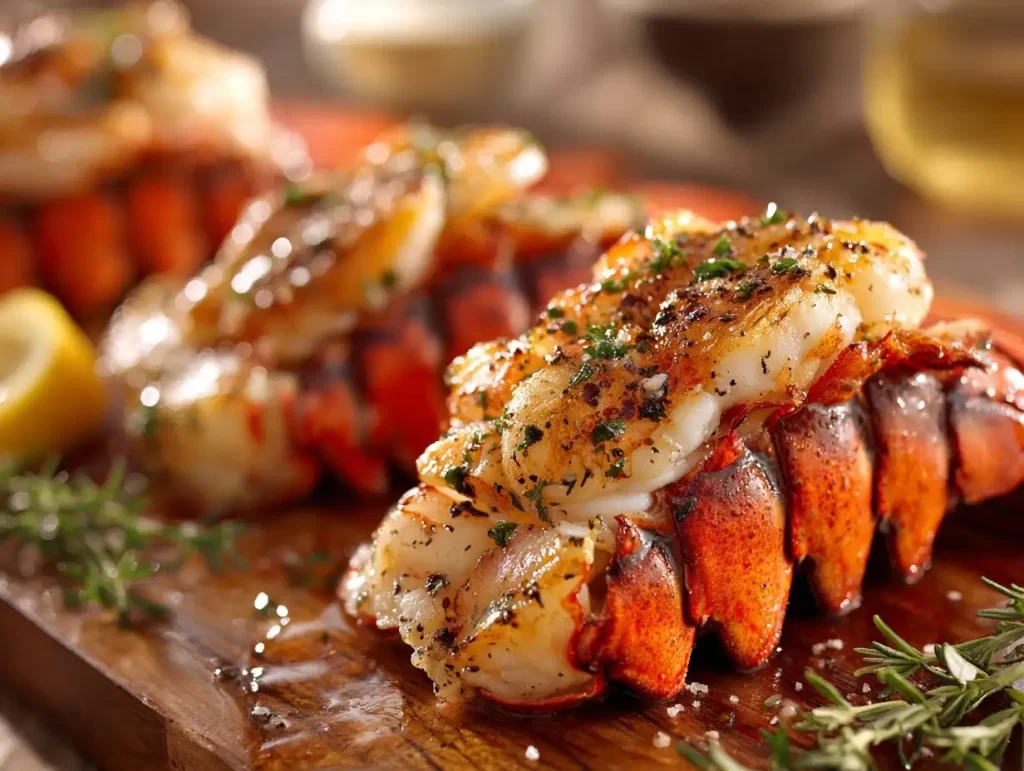
Lobster has a naturally sweet flavor that benefits from simple seafood seasoning options.
A balanced butter mixture often delivers the best results:
- Melted unsalted butter
- Minced garlic or garlic powder
- Lemon juice or fresh lemon juice
- Salt and pepper
For variety, Cajun seasoning, black pepper, or a light garlic butter sauce can be added without masking the lobster meat.
How Long Should You Cook Lobster Tails?
Cooking times vary by size and cooking method, but the goal is always tender meat—not rubbery lobster:
- Smaller lobster tails cook quickly and require close monitoring
- Large lobster tails may need additional time but should never be rushed
Use a meat thermometer when possible. Perfectly cooked lobster should be opaque and firm, not mushy or stiff.
Serving Lobster Tails for a Complete Lobster Dinner
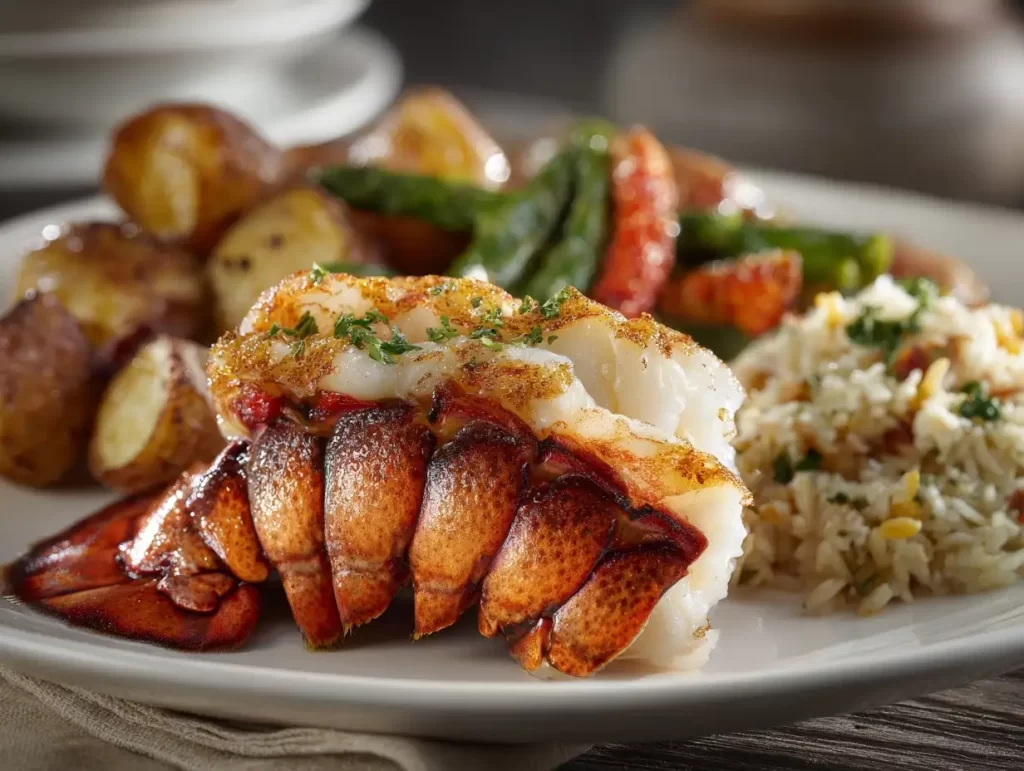
Lobster tails are best served immediately while hot to preserve their tender texture and delicate flavor. Thoughtful accompaniments—from simple garnishes to well-chosen beverages—can elevate the entire lobster dinner without overshadowing the lobster itself.
Classic Flavor Profiles Ideal for Pairing with Lobster
Side dishes such as rice pilaf, grilled vegetables, or roasted potatoes complement lobster without competing for attention, helping keep the focus on the perfectly cooked lobster. In terms of toppings, these classic choices never disappoint:
- Melted butter or garlic butter
- Lemon wedges for brightness
- Fresh parsley for a clean, herbaceous finish
Wine Pairings That Complement Lobster Tails
When pairing wine with seafood options like lobster tails, the goal is to match the richness of the lobster meat without overpowering its natural sweetness:
Chardonnay ↓
Complements buttery preparations while maintaining balance
Sauvignon Blanc ↓
Pairs well with lemon-forward or herb-seasoned lobster tails
Champagne or Sparkling Wine ↓
A classic choice that cuts through richness and enhances delicate flavors
Pinot Gris ↓
Works especially well with grilled or broiled lobster recipes
For non-wine options, a crisp sparkling water with lemon or a light citrus-forward cocktail can offer a refreshing contrast to the lobster’s sweetness.
Lobster Tail Recipe FAQs
What is the best way to cook lobster tails for beginners?
+
Broiling is often considered the best way to cook lobster tails because it’s fast, controlled, and produces consistent results.
Is frozen lobster as good as fresh lobster?
+
When properly thawed, frozen lobster tails can deliver excellent flavor and texture and are often more accessible than live lobsters.
How do I know when lobster meat is safe to eat?
+
Lobster meat is done when it turns opaque and reaches a safe internal temperature without becoming tough.
Can I freeze cooked lobster tails?
+
We generally recommend freezing raw lobster tails rather than cooked ones, as freezing cooked lobster may affect texture when reheated.
Visit Our Raleigh Seafood Restaurant Today
Cooking lobster at home is rewarding, but nothing compares to enjoying expertly prepared seafood dish without the prep work. At NC Seafood, we serve some of the best local Calabash seafood dishes, crafted with care and coastal inspiration.
Checkout our takeout menu online, sign up for our monthly newsletter, and visit us in Raleigh for a seafood dinner that highlights why fresh seafood never goes out of style.