
Sushi has been part of Japanese cuisine for centuries, and remains one of the most popular, carefully prepared dishes served by trained sushi chefs around the world. Over the past several decades, sushi has grown in popularity across the United States, proving it’s more than just a fleeting food trend. Despite sushi becoming a go-to choice for diners, many people still enter a sushi restaurant asking, “Is sushi safe to eat?”
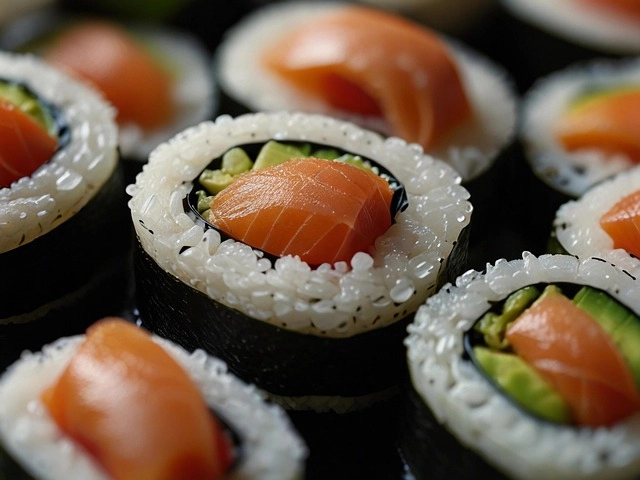
The answer is that, yes, when the fish is handled properly, sourced responsibly, and prepared with food safety in mind, sushi is safe to eat. Even though there is no reason to avoid eating sushi from reputable restaurants that are prepared by trained sushi chefs, it’s still smart to pay attention to the signs that tell when sushi fish is safe versus when it is not.
Table of Contents
Signs that Sushi is Safe vs Risky to Eat
Many people think of sushi as simply raw fish with rice, which it can be. However, sushi can also include cooked fish, vegetables, seaweed, crab, shrimp, and even eggs or imitation crab. The variety is part of the appeal. However, before ordering or preparing sushi, it helps to know what separates safe, high-quality “sushi grade” fish from options that may carry more risk.
Sushi Safety Guide at a Glance
| Safety Factor | Safe Indicators | Warning Signs | Why It Matters |
|---|---|---|---|
| Fish Handling | Quickly processed after catch and kept consistently cold | Unknown handling practices or inconsistent refrigeration | Temperature control slows bacterial growth |
| Appearance | Bright color, firm texture, clean surface | Dull color, slimy texture, or soft flesh | Fresh appearance signals proper storage and quality |
| Smell | Mild ocean scent | Strong, sour, or overly fishy odor | Off-odors often indicate spoilage |
| Freezing Practices | Flash frozen at very low temperatures to kill parasites | No clear freezing or parasite-control process | Proper freezing reduces parasite risks |
| Restaurant Environment | Clean preparation areas, organized workspaces, high customer turnover | Poor cleanliness, seafood sitting out, unclear sourcing | Proper sanitation prevents contamination |
| Storage After Purchase | Refrigerated promptly and eaten within recommended timeframes | Left at room temperature or stored too long | Improper storage increases foodborne illness risk |
The Truth About “Sushi Grade”
You’ll hear the phrase sushi-grade fish at farmers’ markets and in sushi restaurants. It sounds official, but it’s actually an industry term rather than a regulated standard. The term “sushi grade” generally indicates that the fish was selected and handled with food safety for raw consumption in mind, but it still requires careful storage and preparation to remain safe.
Signs Sushi is Safe
- The fresh fish was handled quickly after being caught and kept consistently cold
- It remained properly refrigerated from boat to distributor
- It was flash frozen to kill parasites before serving raw
- The flesh appears clean, bright, and firm with no dull spots
- There’s a mild ocean scent rather than a strong fishy odor
Warning Signs Sushi is Risky
- Strong or sour smells
- Discolored or slimy fish
- Fish displayed at room temperature for long periods
- Unclear sourcing or handling practices
Proper Freezing Practices
Properly frozen fish is one of the clearest indicators that sushi is prepared safely. Most fish intended for raw consumption are frozen at extremely low temperatures for a specific period of time (often seven days or longer) to kill parasites that may exist. This controlled-freezing process reduces health risks without significantly affecting the texture or flavor of fish commonly used for sashimi or sushi rolls, such as tuna, salmon, yellowtail, and mackerel.
The Sushi Chef and Restaurant Environment
The condition of the restaurant itself often signals how safely sushi is prepared. Skilled sushi chefs monitor temperature, inspect fish for quality, and prevent cross-contamination throughout preparation.
Signs of a trustworthy restaurant include:
- Clean workspaces and organized preparation areas
- High customer turnover, meaning ingredients stay fresh
- Proper cold storage and careful handling of raw seafood
Is Sushi Safe to Eat When You’re Pregnant?
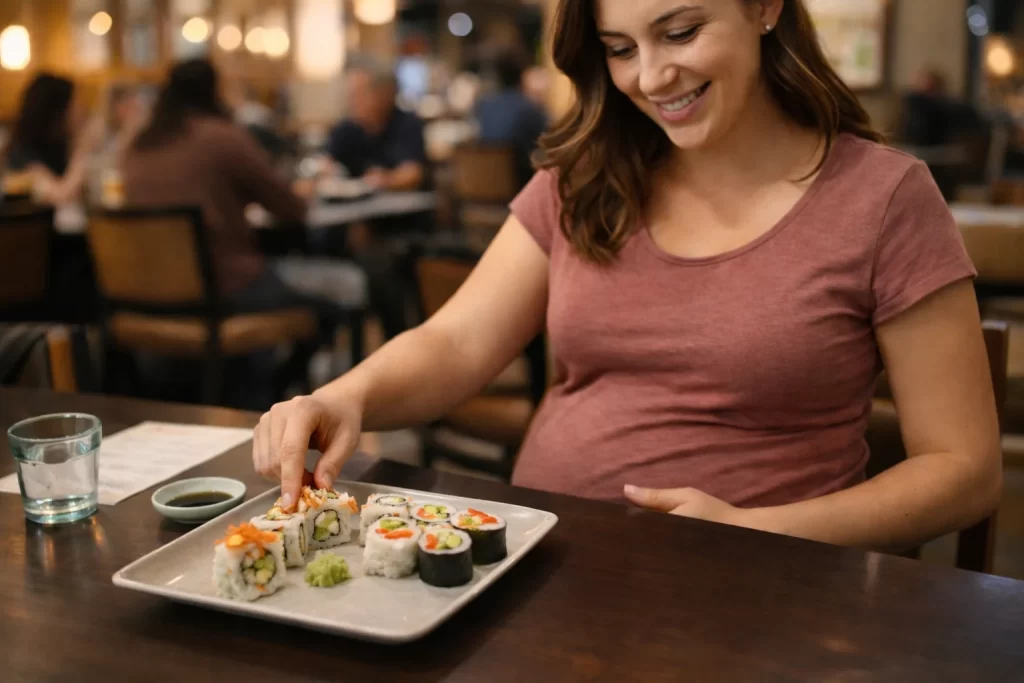
One of the most common questions about the safety of eating sushi is whether it is safe to eat during pregnancy. Many doctors advise pregnant women to limit or avoid eating raw fish due to the risk of bacteria that can cause foodborne illness, such as Listeria monocytogenes and Salmonella.
If you don’t want to give up eating fish and seafood while pregnant and have a sushi craving, consider choosing:
- Rolls made with cooked fish like shrimp or crab
- Vegetarian sushi with vegetables and avocado
- California rolls with imitation crab
- Avoiding high-mercury choices such as raw tuna
Sushi and Sashimi Options That Are Safe to Eat
There is no reason to avoid eating sushi altogether when not all sushi and sashimi carry the same level of risk. The type of fish used, whether ingredients are raw or cooked, and how the food is prepared all influence sushi safety.
Low Risk Options
These choices generally carry less risk because they are cooked or less likely to contain harmful bacteria or parasites when properly handled:
- Cooked rolls made with shrimp, crab, or lobster
- California rolls made with imitation crab
- Tempura rolls where seafood or vegetables are fully cooked
- Vegetable rolls with cucumber, avocado, or other fresh vegetables
- Seared or cooked fish options rather than fully raw preparations
- Sushi made with properly prepared egg (tamago)
- Vegetarian sushi and seaweed-based rolls
Higher Risk Options
These options involve raw seafood or species more likely to carry parasites or bacteria. While the risk may be higher, reputable sushi restaurants that adhere to strict food safety standards can prepare these items safely:
- Raw tuna or salmon sashimi
- Raw fish rolls such as spicy tuna or specialty sashimi dishes
- Raw shellfish selections
- Freshwater fish like brook trout or yellow perch served raw
- Sushi that has been sitting out or stored improperly
- Seafood from sources with unclear handling or freezing practices
Is Sushi Safe to Eat at Home?
Eating sushi at home can be safe if you follow proper food safety practices. Because sushi often contains raw seafood and temperature-sensitive ingredients like rice, safe storage and handling matter just as much at home as they do in a restaurant.
Ordering Sushi Takeout
Takeout sushi is generally safe to eat when it comes from a reputable restaurant with strong food safety standards. Once you receive your order, the goal is simple: keep it cold and eat it promptly.
- Refrigerate sushi containing raw fish within two hours (or sooner in warm weather)
- Store leftovers at or below 40°F
- Eat sushi with raw seafood within 24 hours for the best quality and reduced risk of food poisoning
- Avoid sushi that smells strong, looks dry, or has been sitting at room temperature

Eating Sushi Leftovers
Sushi is best enjoyed fresh, but leftovers can be safe if handled correctly. Raw fish and rice can support bacterial growth if stored improperly, which increases the risk of foodborne illness:
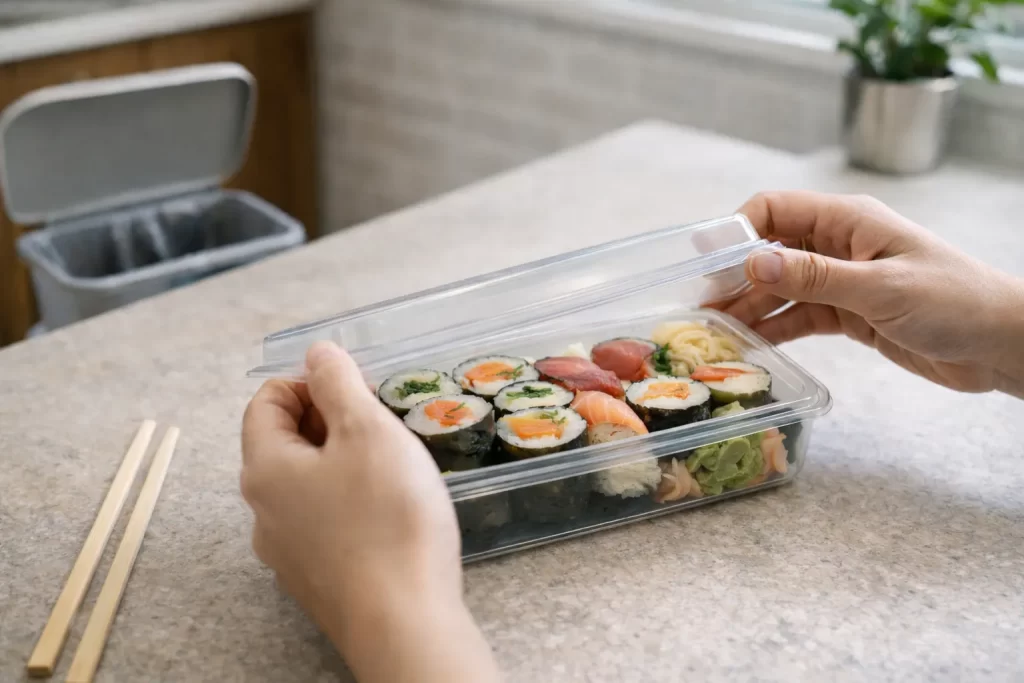
- Keep sushi tightly sealed in the refrigerator
- Eat raw fish rolls within one day and cooked rolls within one to two days
- Discard leftovers that show changes in texture, smell, or appearance
- Never leave sushi out overnight or reheat raw fish
Making Sushi at Home
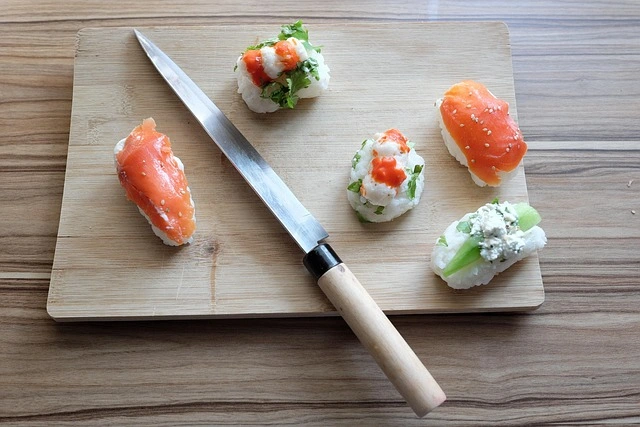
Preparing sushi yourself requires extra care, especially if you plan to eat raw fish. Fish from a typical grocery store seafood counter is not always intended for raw consumption:
- Purchase sushi-grade fish from a trusted fishmonger
- Confirm the fish was flash frozen to kill parasites
- Keep seafood refrigerated until preparation
- Use clean surfaces and separate tools to prevent cross-contamination
- Consume homemade sushi the same day it is prepared
Visit Our Raleigh Seafood Restaurant Today
If you have further questions about seafood or just want a delicious meal without the guesswork, we’d love to see you at NC Seafood Restaurant. Order from our online takeout menu or stop by in person for fresh, local seafood favorites.
Don’t miss what’s happening around Raleigh: sign up for our monthly e-newsletter for seasonal news, restaurant updates, and a roundup of new recipes from our blog. We’ll keep it useful, never spammy, and always focused on great seafood.