
Frying seafood at home doesn’t have to feel intimidating. With the right techniques and ingredients, you can achieve that golden brown crust, tender meat, and restaurant-quality flavor using simple tools you already have in the kitchen.
Whether you love fried fish, crispy shrimp, or classic Southern favorites, these expert tips from the team at our Raleigh restaurant, NC Seafood, will help you get great results every time.
Table of Contents
What You Need to Properly Fry Fish
When it comes to frying seafood, especially fish, every cook needs the right supplies in order to deliver the best dish to the table.
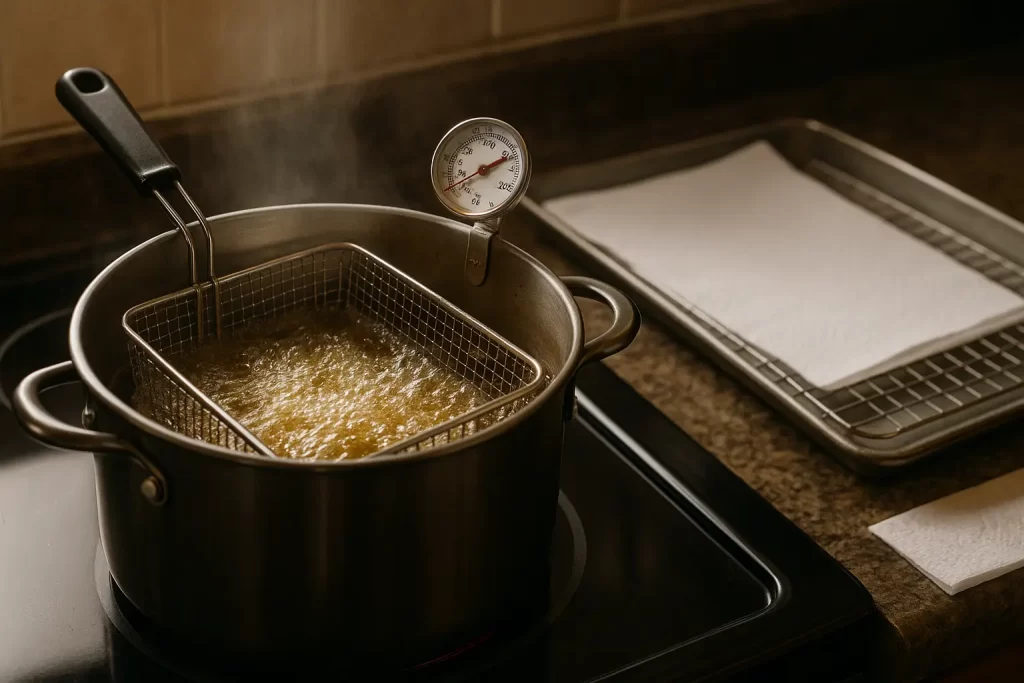
Here’s what we recommend you have on hand when frying fish and other seafood at home:
- Oil thermometer
- Deep fryer, or a pot with enough depth to hold several inches of oil
- Wire frying basket
- Wire racks
- Paper towels
Depending on the recipe, you may need a few extra supplies. However, for just the frying part, you should be able to get the job done with just the items listed above.
1. Choose the Right Oil for the Best Results
Selecting the best oil for frying is one of the most essential steps. A proper oil affects flavor, texture, and overall performance during deep frying or shallow frying.
Oil With a High Smoke Point
Oils with a high smoke points ensure your food cooks evenly without burning.
Great choices include:
- Canola oil: Neutral flavor, consistent browning
- Peanut oil: Mild taste, ideal for a hot pan
- Vegetable oil: Accessible and versatile
Oil flavor should never overpower the taste of fish, shrimp, or other seafood, which is why neutral oils work best.
Heat Oil to the Ideal Temperature
Always heat oil to 350–375°F before you start cooking. Too cool, and the coating absorbs fat; too hot, and the exterior burns before the inside of the fish cooks through. Use an oil thermometer for accuracy, whether you’re deep frying large fillets or pan frying smaller pieces in a cast iron skillet.
2. Prep Your Seafood the Right Way
Great frying starts long before your fish hits the hot oil. Proper preparation creates a better crust and prevents sogginess. Whenever possible, begin with fresh seafood. Moisture affects frying, so always pat the fish dry before seasoning or dipping into your batter.
Mix seasonings like salt, black pepper, old bay, garlic powder, and paprika into your dredge or flour mixture for evenly seasoned results. This step adds flavor to everything from white fish to hand-breaded shrimp.
3. Use the Right Breading or Batter
Your coating determines whether you get a crispy exterior or a soggy one. If you are using a boxed batter recipe, be sure to follow the step by step instructions for the best results.
Dry Dredge
A simple mix of flour, cornmeal, pepper, and seasoning produces a crunchy coating perfect for a classic fish fry.
Wet Batter
If you’re making beer-battered fried fish, whisk together:
- Flour
- Cornstarch
- Spices
- Cold water or beer
Dip each filet first in flour to help the batter cling, then into the wet batter before you deep fry.
Shake Off Excess Batter
To prevent gummy interiors, always shake off excess batter before lowering into hot oil.
4. Use the Best Tools for Even Frying
Your cooking equipment matters more than you may realize when it comes to frying seafood.
A cast iron skillet holds heat beautifully and keeps the temperature consistent. For large batches, a deep fryer offers easy temperature control. Adding too many pieces of fish or seafood at once causes the temperature to drop. Instead, fry in small batches to keep your fried food cooking evenly.
5. Don’t Overcrowd the Pan
Crowding the pan leads to soggy, greasy results. When you cram in too many pieces of fish, the oil cools down, causing breading to fall off and cook unevenly. Fry only a few fillets at a time, letting the oil recover between batches.
Each piece of fish or seafood should cook until it reaches a deep, golden and golden brown color with a crisp surface.
6. Drain Properly for Maximum Crispiness
How you remove fried fish from the pan affects texture. Place seafood on a wire rack instead of directly onto paper towels. This prevents steam from making the crust soggy. You can then lightly press with a paper towel to remove additional oil but avoid smothering the crust. At this point, you may want the freshly fried exterior to be lightly salted, adding just a sprinkle over the top so it absorbs flavor while not overpowering it.
Allow the remaining fish and seafood to rest while you finish the batch. This evens out temperature and makes it easier to serve everything together.
7. Know the Fry Times for Each Type of Seafood
Different seafood varieties require different cook times based on the thickness of the meat.
General Frying Times
- White fish (flounder, cod): 4–8 minutes
- Shrimp: 2–4 minutes
- Catfish: 5–7 minutes
- Oysters: 2–3 minutes
- Scallops: 3–5 minutes (until firm and lightly golden brown)
- Calamari: 1–2 minutes (overcooks quickly)
- Clam strips: 2–3 minutes
- Tilapia: 3–5 minutes
- Mahi mahi: 4–6 minutes
- Haddock: 5–7 minutes
- Salmon pieces or nuggets: 5–7 minutes
- Soft-shell crab: 2–4 minutes
- Lobster chunks or tails (battered): 3–5 minutes
Everything should fry over medium high heat until the coating is crisp and the inside is fully cooked but still tender. Always check for a fully crispy crust and a flake-apart interior.
8. Serve With Flavorful Sauces and Fresh Garnishes
When frying seafood, complement the dish with bright, flavorful toppings before you eat.
Try offering:
- Cocktail sauce
- Tartar sauce
- Hot sauce
- Lemon aioli

Include hot sauce and tartar sauce options at the table so everyone can customize their plate and provide fresh lemon wedges. Lemon adds acidity, balancing the richness of fried fish and seafood dishes and making each recipe even more delicious.
Try Frying Seafood with Easy Starter Recipes
Whether you’re new to frying seafood or you’re a pro, here are some classic dishes that you can’t go wrong with.
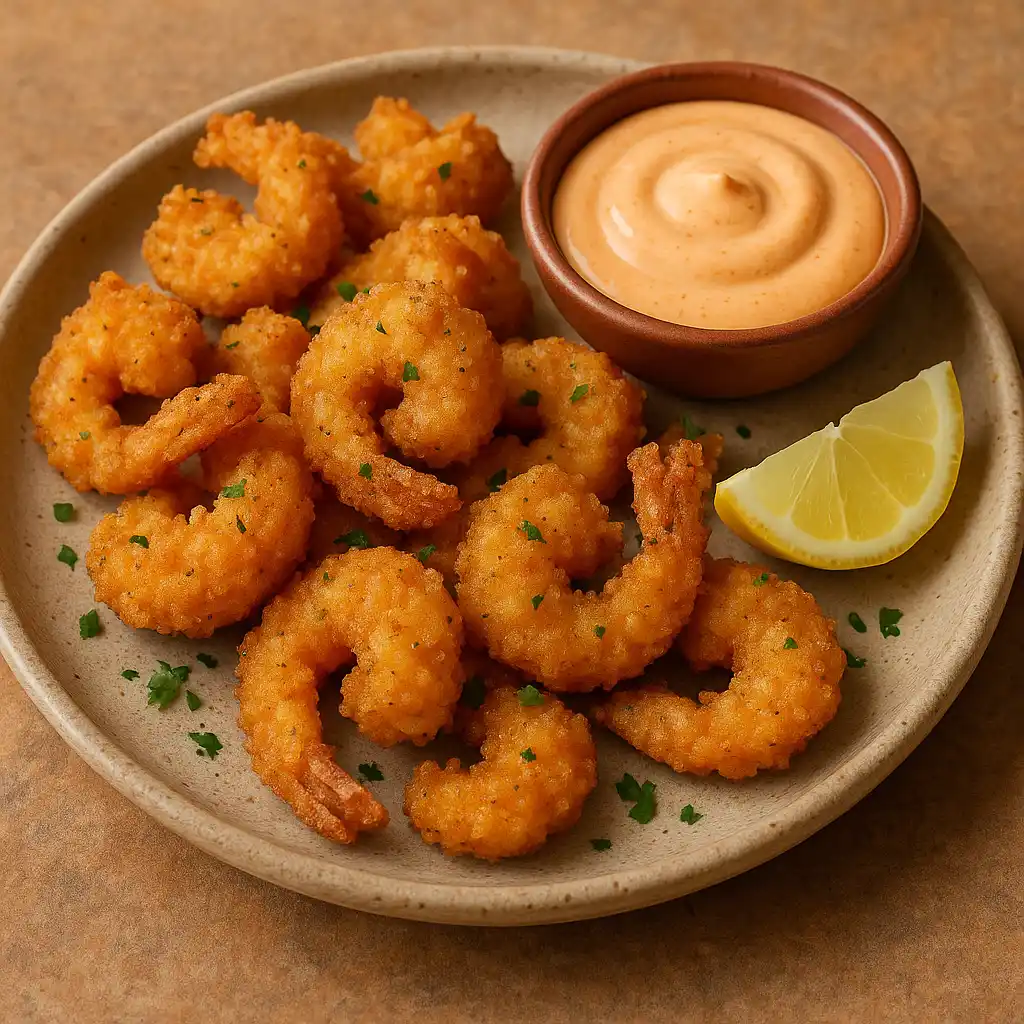
Fried Shrimp
For the best southern-fried shrimp, toss them in a mixture of milk, oregano, paprika, garlic, salt, and pepper (add cayenne if you like a kick).
Then, in a separate bowl add flour and more of the spice mixture. After the shrimp have marinated for around ten minutes, move them to the flour for breading.
Add them to the hot oil and cook for around four minutes, then serve with a yummy dipping sauce like honey mustard or sriracha mayo.
Fish and Chips
There’s nothing quite like fish and chips when you need cozy comfort food. To make yours at home, you’ll need your favorite white fish (cod is the typical choice here), and a beer batter made of flour, cornstarch, baking powder, salt, pepper, sparkling water, and of course, beer.
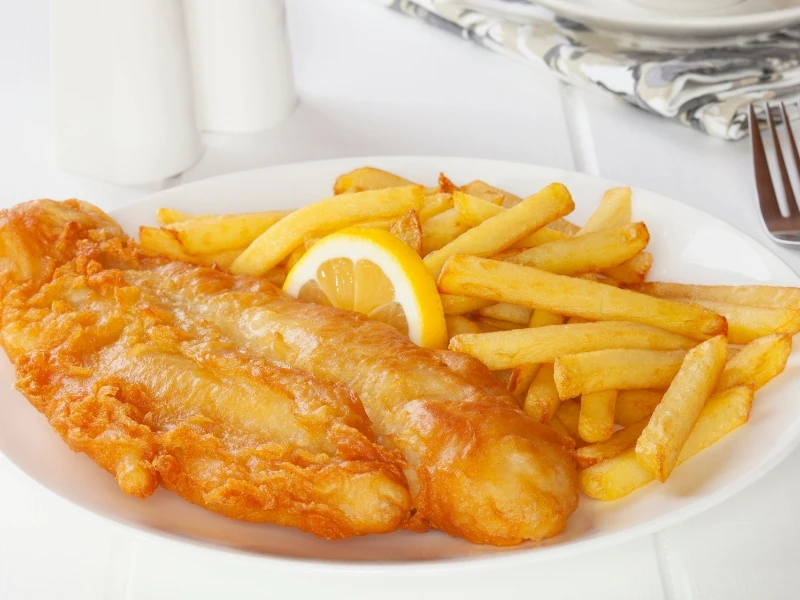
Let the batter sit for around thirty minutes, then dip your fish filets in plain flour before coating them in the batter.
Add them to your hot pan and fry for around eight minutes. Serve with the chips of your choice (we’re partial to a crinkle-cut), and enjoy.
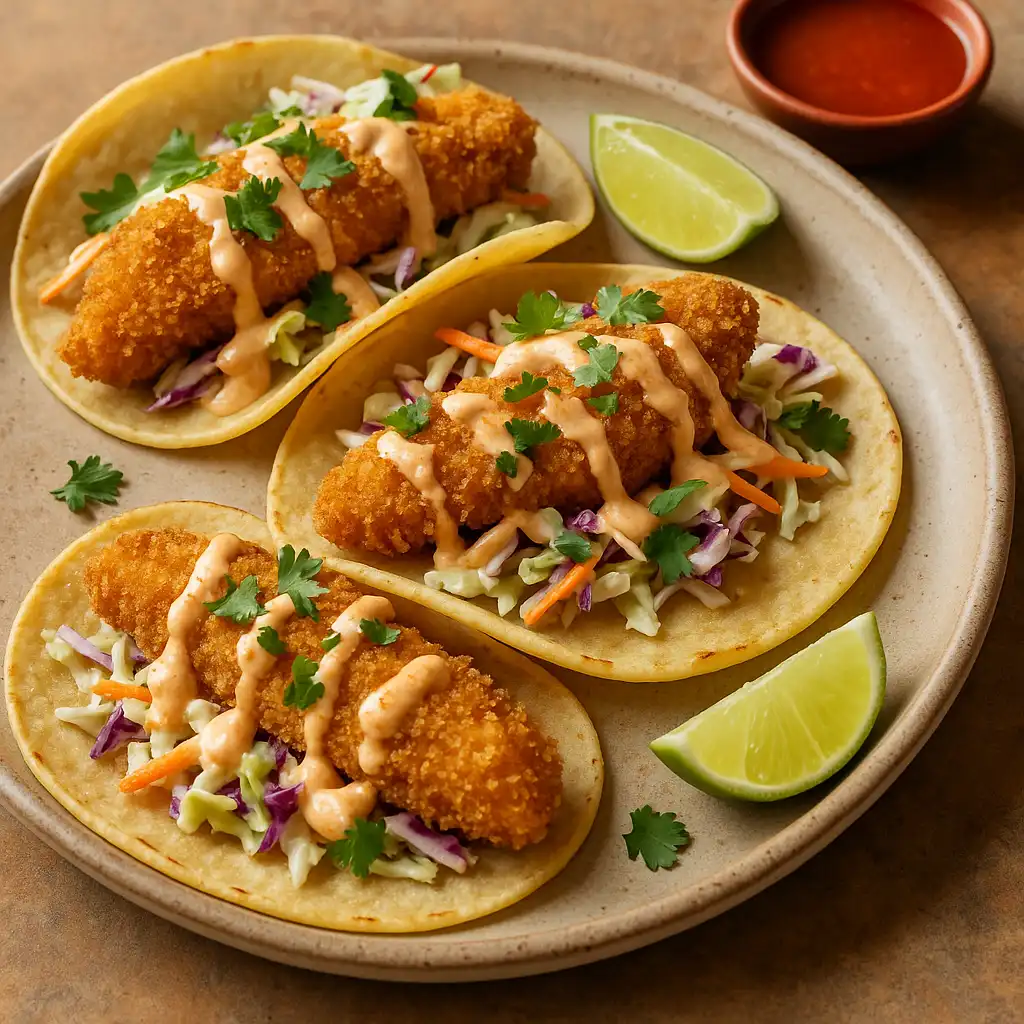
Fried Catfish Tacos
Fish tacos have been a go-to choice for many seafood eaters for a long time and for a good reason. A juicy filet of fish is nestled in a soft corn tortilla and topped with cilantro, chipotle mayo, and any other toppings you fancy. Fried catfish is a staple in southern cooking for good reason—it’s flavorful, affordable, and easy to find.
For the tastiest tacos every time, coat your catfish in a batter of flour, salt, baking powder, hot sauce, and a little club soda. Then, dip them in panko breadcrumbs for that extra-crispy texture, and fry for a few minutes per side.
Add coleslaw, hot sauce, and a bit of lime and you’ll be craving catfish all year long.
Frying Seafood FAQs
What seafood can be deep fried?
Most seafood fries well, including fish, shrimp, oysters, scallops, and many white fish varieties. At NC Seafood, our menu offers a large variety of Calabash style fried fish to try if you are unsure of what type of fish fry you prefer.
Which oil is best for frying seafood?
Oils with a high smoke point—like peanut oil, canola oil, or vegetable oil—perform best.
What fish should not be fried?
Delicate species like sole or very oily varieties like mackerel are harder to fry well.
Can I fry fish in the air fryer?
Yes! The air fryer can cook fish to a crisp, golden brown finish with far less oil. While it’s not traditional frying, it delivers a similar texture, especially when the fillets are lightly breaded and arranged in a single layer for even cooking.
Visit NC Seafood for Raleigh’s Favorite Calabash-Style Seafood
If you’re craving beautifully seasoned, perfectly golden seafood, visit NC Seafood Restaurant at the Raleigh Farmers Market. We serve generous platters of fried fish and other Calabash favorites, cooked fresh and served hot every day.
View our menu—available for dining at the restaurant or take-out daily for lunch and dinner—and place your order with us today! To stay in the loop with our most recent recipes and happenings, sign up for our newsletter using the form below.